

Whoa! This whole MEV thing still feels like a thorn in the side of DeFi. My first thought when I saw a frontrun sandwich on-chain was: seriously? That just happened? Hmm… yeah — it did.
I was digging through a tx trace one late night (because that’s what we do), and something felt off about the slippage numbers — huge for what should’ve been a routine swap. Initially I thought it was a rogue bot, but then realized the pattern matched an MEV extraction across multiple blocks, coordinated enough to make my instinct say “this is systemic”.
Short version: MEV (miner/executor extractable value) isn’t just abstract theory. It eats your yield, inflates fees, and warps the incentives that DeFi protocols depend on. Long version: if you’re a DeFi user, or you run a dApp, and you care about predictable UX and fair price execution, MEV matters now more than ever because it changes how transactions get ordered and whether they even get included.
How MEV actually drains value
MEV is basically just value leakage from users to searchers and validators. Short phrase: profit moved from users to extractors. But the mechanics are nuanced, and that nuance matters for defense. On one hand, searchers scan mempools and craft bundles to profit. On the other hand, validators (or block builders in an MEV-friendly stack) can reorder or include these bundles for profit, so the incentives stack up against the end user.
Here’s what bugs me about the typical framing: people treat MEV like a miner-only problem. Not true. With Proposer/Builder Separation (PBS) and Flashbots-style relays, the extraction gets more sophisticated, not less. Actually, wait—let me rephrase that: the participants shift, but the result is often the same: your swap costs more than it should.
What makes it worse is latency and predictability. A naive wallet sends transactions and hopes for the best. That hope is expensive. You’re effectively paying a tax — tiny on each trade, but massive over repeated activity, and it compounds.
Practical defenses: what works (and what doesn’t)
Okay, so there are many proposals on the table. Some are protocol-level: order-flow auctions, time-weighted batch auctions, or on-chain sequencers. Others are wallet-level: transaction simulation, bundled submissions, and private relays. I’m biased toward practical, deployable fixes that help users today, not theoretical nirvana that could take years to standardize.
Private relays and transaction simulation help a lot. Seriously. When a wallet simulates a transaction locally before sending, you can detect likely sandwich attacks or slippage manipulation. And if the wallet can submit via a private relay or as a bundle to a builder, the transaction never hits the public mempool and becomes invisible to opportunistic bots.
But there’s nuance. Bundling is great when you trust the relay and builder; otherwise you trade one adversary for another. On the protocol side, batching transactions into frequent uniform auctions solves many front-running issues, but it changes UX and market dynamics in ways some users and LPs won’t like.
I’ll be honest — no single approach is flawless. On one hand you can reduce MEV with private submission; on the other hand you increase reliance on centralized relays unless you design for decentralization from the start.
Wallets that think like a defender
What if your wallet did more than hold keys and sign? What if it actively simulated, predicted, and chose the safest path for each transaction? That’s the direction I’m excited about. Simulate locally. Estimate realistic slippage taking into account likely searcher behavior. Choose private relay when risk is high. Fall back to public mempool only when the trade footprint is small.
Roughly: simulation tells you “will this trade be profitable for a sandwich bot?” If yes, route privately or warn the user. If no, standard submission is fine. This approach reduces false positives and keeps UX smooth. It’s not magic, but it is practical.
Check this out — wallets that integrate deep-sim tooling and route intelligently change the game. I use one that describes the expected miner/executor cost and then suggests a safer path. It’s not perfect; there are edge cases and the occasional surprise. But it’s a huge improvement over “sign and pray”.
Integration with DeFi protocols and dApps
On the developer side, dApp designers should assume MEV exists, and build UX and contracts accordingly. Use pull-based patterns where appropriate, design permissioned relays into auctions, and offer gasless or meta-tx options that let trusted relayers perform safe submission. That reduces the surface area for front-runners.
Seriously, dApps that ignore MEV are doing users a disservice. Imagine you run a lending protocol and your liquidations are consistently preyed upon by bots that shave yield off users. You can implement Flashbots-based auctioning for liquidations, or integrate a cooperative liquidation mechanism to reduce the benefit of extraction. It’s not free, but it’s doable.
On the UX side, include simulation outputs in the confirmation flow. Show expected slippage, show detection of potential sandwich attacks, and give users choices: speed vs safety. Many users will pick safety if it’s presented simply.
Here’s a real-world-like anecdote: a friend built a swap interface and ignored private routing. Within weeks a bot was front-running high-value trades there, and liquidity migration followed. They added private submission later, and the behavior normalized — liquidity returned. So yes, these controls matter, and they affect protocol health as well.
Rabby wallet — an example of intelligent UX
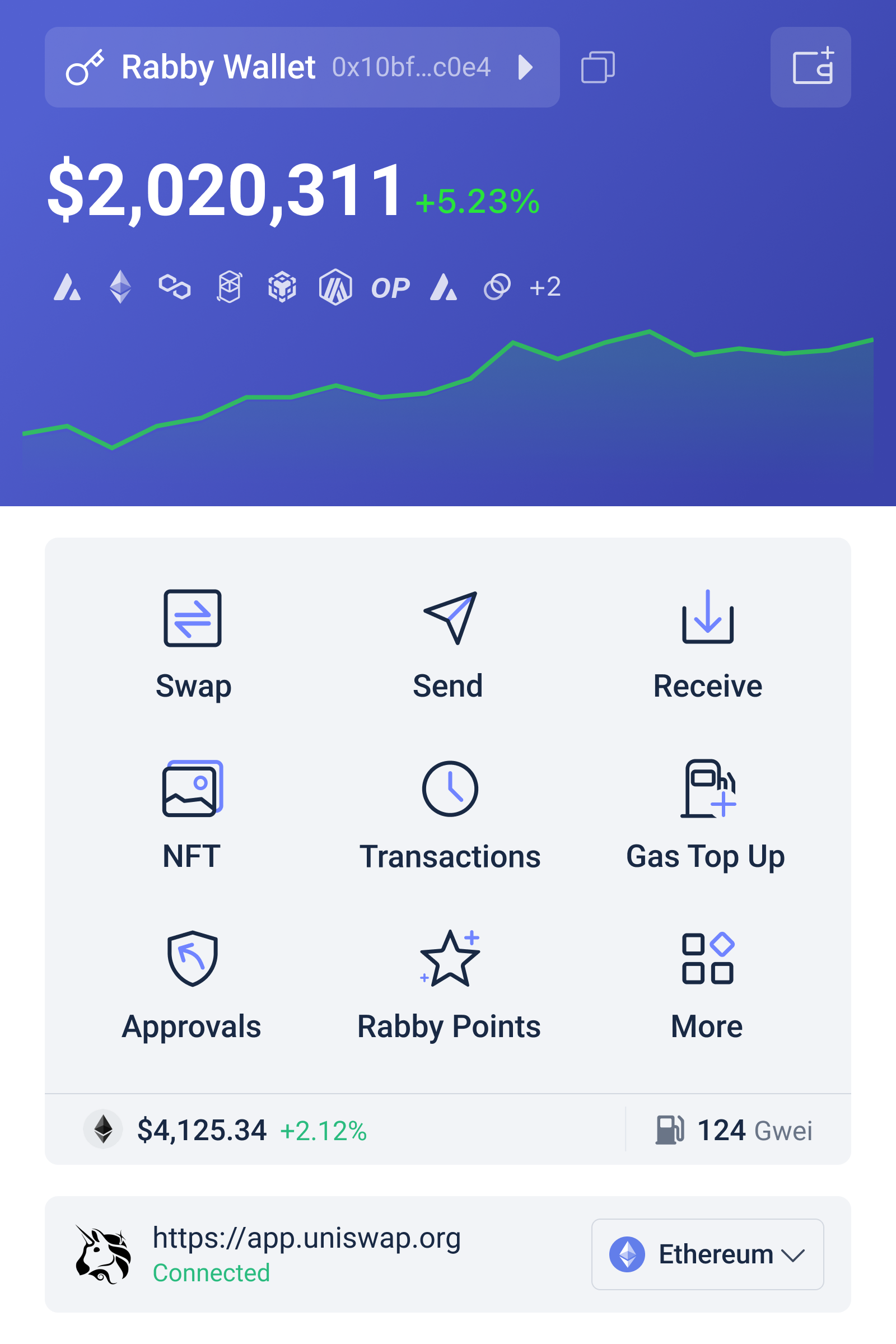
If you’re looking for a wallet that takes these ideas seriously, consider a tool that offers transaction simulation and safer routing baked into the flow. I often mention rabby wallet because it demonstrates how a wallet can be more than a key manager; it can be a risk-aware gateway to DeFi. The wallet simulates transactions, surfaces the real cost to users, and integrates with dApps in a way that nudges safer behavior.
Not every wallet needs to be a full security stack, but embedding these features raises the baseline for everyone. And when dApps and wallets coordinate — whaddya know — the ecosystem benefits in tangible ways.
FAQ
What exactly does transaction simulation detect?
It models the on-chain effects of your tx given current state and known mempool behavior. It can flag likely sandwich scenarios, detect slippage beyond your tolerance, and estimate gas + MEV risk. It’s not perfect, but it’s way better than guessing.
Can private relays eliminate MEV?
Nope. They reduce public mempool exposure, which cuts opportunistic bots out of the loop, but they introduce reliance on relay operators. The trick is to use a diverse set of relays and fallback options so you don’t centralize risk.
Should protocol designers change their contracts?
Yes, where it makes sense. Auctionable actions, batched orders, and explicit relay support for sensitive flows (liquidations, large swaps) can mitigate the worst extraction vectors while preserving liquidity and UX.
Leave a Reply